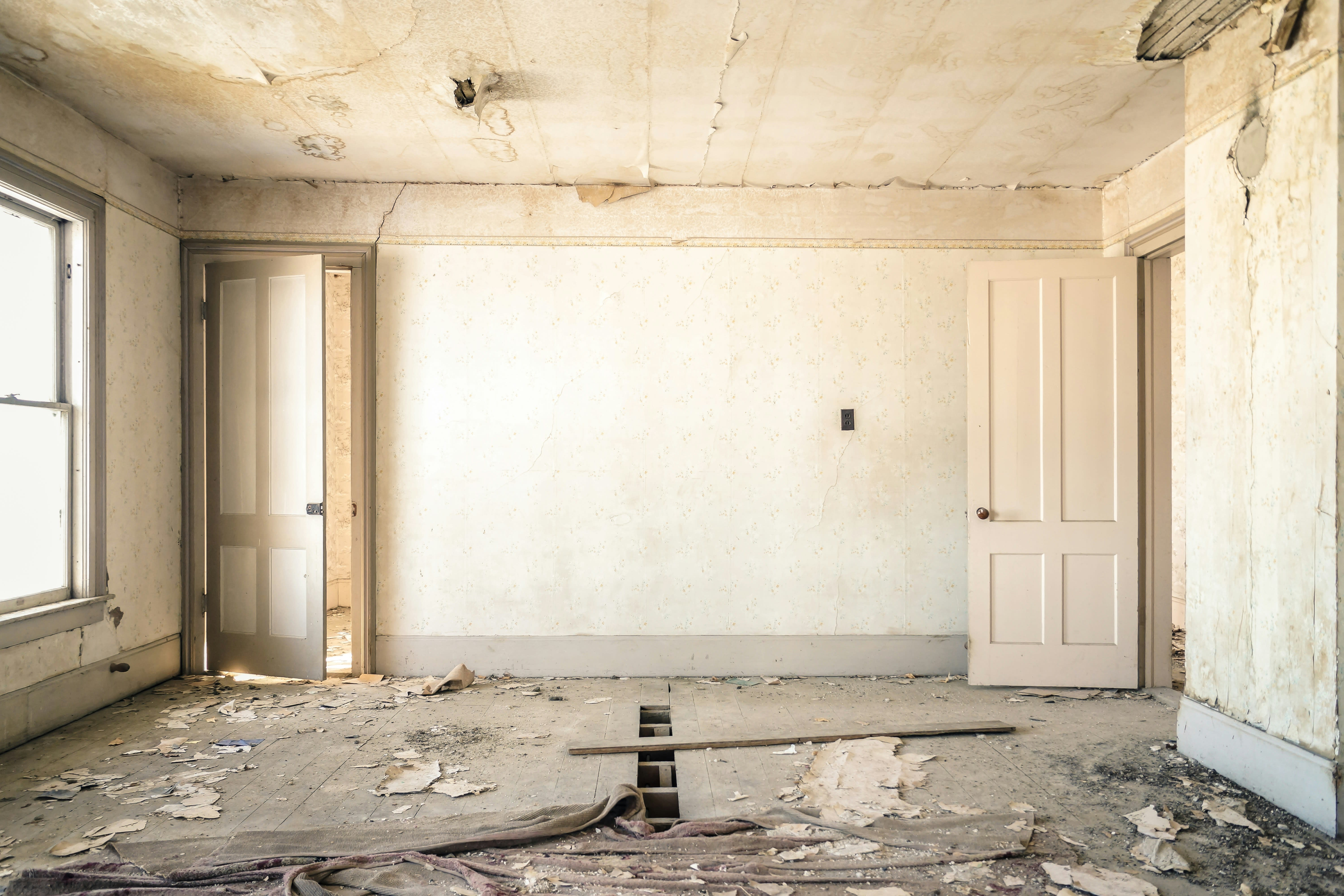
Buying a home is always an anxiety-ridden process, and that goes triple for anyone who’s embarking on homeownership for the very first time. There’s so much to do and so much you don’t know that “overwhelming” hardly seems like an appropriate description of how it feels.
Even though you don’t want to scare yourself away from the entire process, you still need to be wary of falling into a few common traps that first-time buyers generally don’t avoid. If you’re aware of these five potential mistakes -- and able to keep yourself from making them -- then you’ll be saving yourself some significant stress on your homebuying journey.
1. Not understanding your down payment options
The biggest headache for so many first-time buyers is the down payment. If you’ve ever bought a car, then you’re probably familiar with the concept -- it’s money that you contribute to the total cost of the purchase. A common myth is you HAVE to have 20% down. However, there are so many options available, it's best to talk with a mortgage broker to determine the best down payment plan for you!
- There are loan options requiring between 0-50% down payment, however, you might find yourself paying private mortgage insurance (PMI) until your loan amount reaches a certain percentage of the home value with less than 20% down. This can add $100+ to your monthly loan amount. (This does not apply with a few select loan products.)
- Your down payment amount is a percentage of the loan itself. There are some closing costs associated with the loan and also some pre-closing/post-closing items that will need to be paid. The closing costs are roughly 3% of the loan value and include things like the application fee, title & transfer fees, and appraisal fee. You'll also want to have money set aside for the home inspection before you close and also the utility transfer fees when you get possession of the home. Together those will be approximately $1000.
- There are many loan programs with special grants for first time home owners and connecting with a great lender will help you determine your needs and which programs best fit.

2. Not getting prequalified for a loan
Between the amount of money you plan to put down on the home, the potential PMI and other cost factors, your monthly cost could be significantly more (or possibly less) than some of those calculators will show you online.
So before you trust those “estimated monthly mortgage loan amount” numbers that you see popping up next to your potential new dream home on Zillow or a brokerage website, it pays to figure out what you can actually afford -- and that means getting prequalified for a home loan.
This means you will need to talk to a mortgage loan officer and submit a slew of documentation, from your monthly pay stub to your credit score, in order for that loan officer to tell you how much money you can get for your home loan. It’s a little bit painful, but the pre-qualification letter you’ll get as a result is much more credible than a quick qualification you can pull up on an app -- and that means sellers will take it more seriously when it comes time to put in an offer.
Also, not knowing what loan-type you qualify for or the maximum amount could set you up for disappointment on a property that may not be accepting certain loans or are over your qualifying amount.
3. Not finding a qualified real estate agent
It’s so easy to find homes online these days that you may wonder why a real estate agent is even necessary. After all, isn’t the hard part -- finding the place you want to buy -- something you can do yourself?
Well, maybe. But in areas with red-hot markets like West Michigan, you’re probably not seeing the most updated listings -- that home you just fell in love with online might be under contract before you can set up a time to tour it.
Not only can an agent make sure you have access to listings the second they hit the MLS, but a qualified agent should also provide expertise on the area where you want to move and have resources to find home for sale not included on the MLS. A qualified agent will also know how a listing agent presents offers so you can submit one that will be presented in a great light, understand what the market is doing in each neighborhood to avoid potentially over-spending or under-offering, and know how to negotiate beyond the dollar amount to get under contract with extras that benefit you in the overall deal.
4. Not understanding the neighborhood you are interested in
Drive through the neighborhood at various times through the week and weekend so you can try your new neighborhood on for size.
- Is an 8 a.m. arrival time at work still reasonable with this neighborhood’s commute? Are there cars lined up to drop kids off at the school around the corner? Does a train stop on the tracks twice a day blocking your way in and out? Is there a factory that lets out right when you need to leave, causing back-ups?
- Where are the closest grocery stores, parks, rec centers and hiking trails?
- What are the overnight noise or light levels? If there’s a train that rolls through town in the early hours of the morning, you’re near a highway or a flight path -- and any of that is going to disturb you -- then it’s best to figure it out before you’re spending your first night in your new home and wake up to unpleasant (and unexpected) noises. Does the neighborhood have bright city lights and you like it dark? Or no lights and you want a well-lit street?
- Are there a lot of neighbors out walking and talking, but you don't like to socialize? Do people wave as you drive by or keep their heads' down?
 |
 |
5. Not understanding what’s fixable and what’s a deal-breaker
Those drop panels in the ceiling are hideous, and you can’t imagine how anyone can fit into that miniscule bathtub. Are those annoyances that can be fixed or deal-breakers that mean you should pass on the property entirely?
This is another area where a good real estate agent can help. They see so many houses in various stages of repair and updating that they can show you where you can claim another foot or two for bathtub space (and help you figure out how much it will cost and who’s trustworthy enough to take on the job) or let you know that the ceilings are too low for any changes to make much of a difference.
Having an experienced agent help you look at the bones of the home and then getting confirmation from a respected home inspector will help you determine if the repairs needed are cosmetic or structural, which can effect the cost and upkeep dramatically. None of these mistakes will keep you from buying a home of your own -- but they could delay the process and cost you hundreds (if not thousands) of dollars at the end of the day. If you can steer clear of these pitfalls and trust me to guide you through with your best interest in mind, you'll come out on top and be in a home of your own in no time!